Unlocking Potential: The Allure of a Training Camp in Japan
Imagine a place where centuries-old traditions blend with cutting-edge sports science, where discipline is a way of life, and every detail is optimized for peak performance. This is the reality of a training camp in Japan. For aspiring athletes, professional teams, and coaches seeking to elevate their game, the Land of the Rising Sun offers an unparalleled environment for holistic growth. But what precisely imbues a training camp in Japan with such extraordinary allure, and why are more choosing this transformative destination?
The compelling answer lies in a confluence of factors that are quintessentially Japanese. There’s the profound respect for craftsmanship, precision, and the relentless pursuit of continuous improvement, a philosophy famously encapsulated by “kaizen.” This pervasive ethos permeates every facet of Japanese society, extending into sports and athletic development. This translates directly into immaculately maintained facilities, dedicated and knowledgeable coaching staff, and a cultural milieu that values hard work, perseverance, and commitment to mastery. When you commit to a training camp in Japan, you’re not merely enrolling in practice sessions; you are immersing yourself in a holistic, multi-dimensional development experience designed to push physical and mental boundaries, refine abilities, and cultivate new ones. Whether you’re a martial artist, a professional footballer, or an Olympic hopeful, the focus here is on achieving unparalleled precision, cultivating unshakeable mental fortitude, and executing strategic plans with flawless efficiency. This comprehensive approach ensures every participant leaves with an enhanced skill set and a fortified mindset.
Beyond the Field: Cultural Immersion and Personal Growth
A significant, often underestimated, advantage of a training camp in Japan isn’t exclusively confined to athletic endeavors. The profound cultural immersion serves as a potent catalyst for personal growth, yielding benefits that extend far beyond the athletic arena. Living, training, and existing in Japan exposes participants to an entirely different way of life, fostering adaptability, cultivating respect for diverse perspectives, and broadening one’s global worldview. From navigating Tokyo’s bustling streets to partaking in ancient, time-honored ceremonies, every interaction and experience becomes an invaluable learning opportunity. This experiential learning is invaluable, particularly for younger athletes, as it builds robust character, emotional resilience, and disciplined self-reliance that extends beyond their chosen sport. It’s about developing an understanding of discipline not just in terms of rigorous physical exertion and adherence to training schedules, but also in the meticulous attention to detail embedded in daily routines, the nuance of social interactions, and the profound respect for communal harmony.
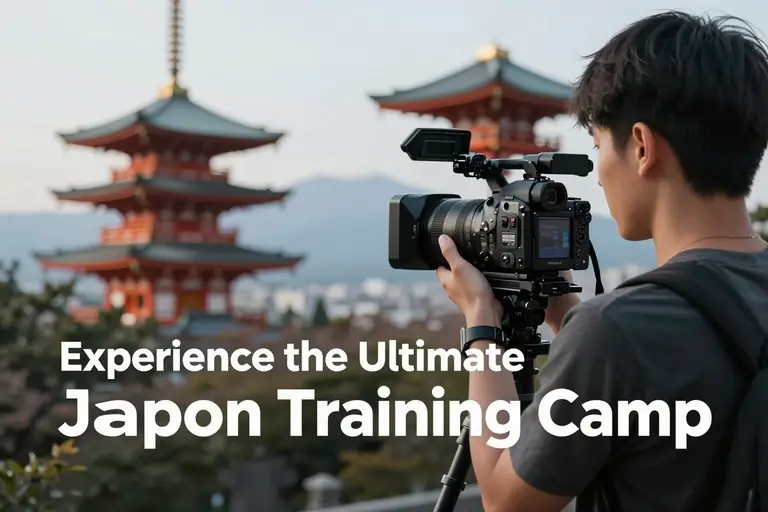
Many programs offered during a training camp in Japan consciously integrate a rich array of cultural activities alongside rigorous physical schedules. This might encompass inspiring visits to ancient temples, active participation in serene tea ceremonies, or even engaging in practical lessons to learn essential basic Japanese phrases. Such enriching experiences provide mental respite and a refreshing break from intense physical training, while simultaneously enriching the overall journey. The expertly balanced interplay between intense physical demands and deeply enriching cultural exposure creates a truly well-rounded athlete – one who emerges not only stronger, faster, and more technically skilled but also more globally aware, culturally sensitive, and remarkably adaptable to new situations. This holistic, synergistic approach to athlete development is a foundational cornerstone of what makes a training camp in Japan such a uniquely transformative and impactful experience.
World-Class Facilities and Expert Coaching
One of the foremost draws of a training camp in Japan is access to world-class, cutting-edge facilities and an abundance of highly experienced, knowledgeable coaching staff. Japan boasts an impressive array of state-of-the-art training centers, many equipped with the latest technological advancements for performance analysis, recovery protocols, and rehabilitation services. These facilities are invariably maintained to an exceptionally high standard, reflecting the inherent Japanese dedication to uncompromising quality, order, and efficiency. Whether the requirement is a flawlessly manicured football pitch, a technologically advanced gymnasium, or a specialized dojo, athletes can consistently expect to find themselves in top-tier environments conducive to achieving peak performance. This unparalleled infrastructure minimizes distractions, maximizes the effectiveness of every training session, and ultimately contributes significantly to the overall success of your time in Japan.
Furthermore, the coaching expertise available during a training camp in Japan is often considered unparalleled globally. Many Japanese coaches possess a deep understanding of advanced sports science, intricate biomechanics, and sophisticated psychological conditioning techniques, honed through years of experience, rigorous academic study, and unwavering commitment to continuous learning. They place an emphatic emphasis on mastering fundamental techniques with absolute precision, developing sophisticated strategic thinking, and cultivating unyielding mental toughness – all crucial qualities for achieving sustained success at any competitive level. For entire teams, the invaluable opportunity to train under such esteemed guidance can lead to significant improvements in team cohesion, a deeper understanding of complex tactical approaches, and accelerated development of individual skill sets. This intensive, highly focused instruction is an undeniable hallmark of any truly successful training camp in Japan, providing athletes with the essential tools, knowledge, and psychological edge required to excel.
Tailored Programs for Diverse Sports and Disciplines
A common misconception might lead one to believe that a training camp in Japan caters exclusively to specific, traditional sports like martial arts or baseball. While these sports thrive and possess deep roots, the reality is far more expansive: a wide array of meticulously tailored programs exists for an incredibly diverse spectrum of athletic disciplines. From globally popular sports like football (soccer) and basketball to the precision and grace of swimming, gymnastics, and track and field, world-class facilities and expert coaching are readily available and designed to meet the unique needs of virtually any sport. For instance, international football teams might benefit immensely from the opportunity to train alongside highly skilled Japanese professional clubs, gaining profound insights into their sophisticated tactical approaches, rigorous conditioning regimes, and unique competitive strategies. The unparalleled chance to scrimmage against local, highly competitive talent can provide invaluable experience, expose players to different playing styles, and offer a fresh perspective on gameplay dynamics. For those keenly following international football, comprehensive updates and insights on events like the AFC Qualifiers Latest News are crucial. This competitive exposure and cultural exchange during a training camp in Japan is critical for comprehensive athlete development and tactical evolution.
For individual athletes, the flexibility of a training camp allows for bespoke customization, enabling a laser-like focus on specific areas of improvement. Whether the goal is to enhance raw speed, build explosive strength, refine agile movements, or perfect intricate technical skills, high-performance centers throughout Japan consistently offer advanced sports science support. This comprehensive support system often includes dedicated nutritionists who craft personalized dietary plans, expert physiotherapists who specialize in injury prevention and rapid recovery, and insightful sports psychologists who work to optimize an athlete’s mental fortitude and overall potential. This highly personalized attention ensures every participant, irrespective of their specific sport or current skill level, receives maximum benefit and achieves significant progress during their invaluable time in Japan. The sheer flexibility, extensive breadth of options, and unwavering commitment to individual excellence make a training camp in Japan an exceptionally attractive and beneficial proposition for athletes at all stages of their careers.
The Indispensable Importance of Discipline and Optimal Recovery
Discipline is not merely a virtue but a foundational cornerstone of Japanese culture, deeply ingrained in the collective psyche, and this ethos is inextricably embedded in the structure and operational philosophy of every training camp in Japan. Athletes participating are expected to adhere to rigorous schedules, maintain the highest standards of personal conduct, and approach their training with unwavering dedication. This highly disciplined environment, while demanding, is remarkably effective in instilling positive habits, fostering unshakeable mental resilience, and cultivating a profound sense of personal responsibility. It systematically teaches athletes the paramount importance of consistency, unwavering commitment, and meticulous attention to detail – all vital qualities for achieving sustained, long-term success in any competitive field. The rigorously designed schedule of a training camp in Japan is specifically engineered not only to push physical and mental limits but also to forge character, building a stronger, more resilient individual.
Equally, if not more, important is the emphatic emphasis placed on optimal recovery. Japanese sports science places an extraordinarily high value on adequate rest, precise and balanced nutrition, and advanced rehabilitation techniques to proactively prevent injuries, accelerate healing processes, and ensure athletes can consistently maintain peak performance levels. Many state-of-the-art facilities within a training camp in Japan offer an impressive array of advanced recovery amenities, including therapeutic hydrotherapy pools, cutting-edge cryotherapy chambers, and specialized massage therapists. The traditional Japanese diet, globally renowned for its exceptional balance and emphasis on fresh, wholesome ingredients, also plays a critical role in profoundly supporting an athlete’s recovery processes and contributing immensely to their overall well-being. By expertly combining intensely demanding training protocols with meticulously planned and scientifically backed recovery strategies, a training camp in Japan ensures that athletes can not only sustain remarkably high levels of performance but also carry these enhanced capabilities and practices into their careers. This holistic approach to athletic development, which thoughtfully considers every aspect from intense exertion to meticulous recuperation, is what genuinely sets a training camp in Japan apart as a global leader in sports training.
Logistics and Meticulous Planning for Your Training Camp
Planning a comprehensive training camp in Japan necessitates careful consideration of myriad logistical aspects, but with the right guidance and foresight, it can indeed be a seamless process. Key considerations include: securing appropriate training venues; arranging comfortable and conveniently located accommodation; efficiently managing local transportation; and thoughtfully organizing cultural experiences. Fortunately, numerous specialized agencies, sports tour operators, and experienced event planners offer comprehensive, end-to-end packages tailored to the unique needs of sports groups. These services expertly handle all intricate details, from initial booking to on-the-ground support, ensuring a smooth, productive, and rewarding experience. Such professional services can prove invaluable, particularly for international teams or individual athletes unfamiliar with the intricacies of traveling and operating within Japan. They possess the expertise to navigate potential language barriers, manage cultural nuances, and efficiently resolve unforeseen issues, thereby making your training camp in Japan significantly more enjoyable, productive, and stress-free.
Beyond core logistical elements, essential administrative requirements such as visa applications, comprehensive travel insurance, and establishing reliable communication channels are critically important points that must be addressed well in advance. It is highly advisable to initiate the planning process for your training camp in Japan several months ahead of your intended travel dates, especially if targeting peak tourist seasons or wishing to align your camp with specific sporting events. This proactive approach allows for better negotiation on prices, ensures optimal availability of desired resources, and provides ample time for all necessary preparations. Having a clear, detailed itinerary and well-thought-out contingency plans in place will contribute immensely to the overall success and smooth execution of your training camp in Japan. With diligent preparation, the myriad benefits of such an immersive and transformative experience far outweigh any initial planning challenges, ultimately leading to an unforgettable, highly productive, and personally enriching journey for all participants.
Testimonials and Illustrative Success Stories
The unquestionable efficacy and transformative power of a training camp in Japan are perhaps best illustrated through the myriad success stories and testimonials of those who have experienced it firsthand. Athletes and teams from every corner of the globe frequently return from their Japanese immersion experiences not only with renewed vigor and significantly improved skills but also with a profoundly deeper understanding of their respective sports. Coaches consistently report substantial advancements in team cohesion, tactical sophistication, and remarkable individual player development, often attributing these positive outcomes directly to the unique environment and highly structured approach offered by a training camp in Japan. These tangible and measurable results stand as a powerful testament to the exceptional quality and profound impact of the Japanese athletic development paradigm.
For example, a collegiate basketball team might discover that their intensive time in Japan not only led to a marked improvement in their tactical play and strategic execution but also significantly strengthened their interpersonal bonds as a cohesive unit. This enhanced team synergy often translates directly into a more successful competitive season upon their return home. Similarly, a dedicated martial artist might return from their training camp in Japan with a noticeably refined technique, a deeper philosophical understanding of their art, and a heightened sense of personal discipline, all directly attributable to the specialized instruction received. These concrete, observable results powerfully underscore the immense value proposition of choosing Japan as a premier destination for serious athletic development and personal mastery. The investment made in a training camp in Japan often yields dividends that extend far beyond immediate performance improvements, profoundly shaping athletes into stronger, more resilient, and more disciplined individuals, thus making it a truly invaluable endeavor.
The Future of Athlete Development: Why Japan Leads the Way
As sports science continues its relentless evolution and global competition becomes increasingly fierce, the demand for innovative, highly effective, and scientifically validated training methodologies will only intensify. In this dynamic landscape, a training camp in Japan unequivocally stands out as a leading option for comprehensive athlete development. Its unique blend of profound cultural immersion, access to elite facilities, instruction from world-class coaching, and a strong emphasis on rigorous discipline and meticulous recovery protocols creates an unparalleled environment that fosters truly holistic athlete development. It transcends simplistic goals; it is fundamentally about cultivating a deeply ingrained mindset of continuous improvement, fostering unyielding resilience, and embracing a lifelong commitment to mastery.
The future trajectory of athlete development will undoubtedly feature an even greater integration of advanced technology, highly personalized training plans, and enriching cross-cultural experiences. A training camp in Japan is already at the forefront of these trends, actively offering a sophisticated and effective model that other nations and sports programs worldwide aspire to emulate. For any athlete or team genuinely serious about unlocking their full potential, considering a training camp in Japan is not merely an option, but increasingly, a strategic and imperative choice. The profound benefits derived from such an immersive experience extend far beyond immediate performance gains; they instill invaluable life skills, broaden perspectives, and cultivate a sense of global citizenship that will serve participants exceptionally well in all their future endeavors. This makes a training camp in Japan a truly invaluable and transformative investment in an athlete’s journey towards ultimate excellence.
FAQ
What kind of sports can benefit most from a training camp in Japan?
Virtually all sports can derive substantial benefit from the specialized environment and resources offered by a training camp in Japan. This includes, but is not limited to, team sports like football (soccer), basketball, and rugby; individual sports such as martial arts (e.g., Judo, Karate, Kendo), swimming, track and field, gymnastics, tennis, and even niche disciplines. Programs are highly customizable and can be meticulously tailored to meet the specific needs and developmental goals of either individual athletes or entire teams, ensuring maximum relevance and impact.
How long does a typical training camp in Japan usually last?
The duration of a training camp in Japan can vary quite widely, depending significantly on the program’s objectives, the specific sport, and the participants’ availability. Options range from intensive, focused one-week clinics designed for rapid skill acquisition to comprehensive, multi-month training residencies aimed at profound long-term development. However, many of the most popular and effective programs typically last between two to four weeks, striking an optimal balance between immersive training and practical travel considerations.
Is language a significant barrier during a training camp in Japan experience?
While possessing a basic understanding of Japanese phrases can certainly enhance the cultural immersion aspect, language is generally not a significant barrier for participants in a training camp in Japan. Many reputable training camp organizers, facilities, and coaching staff are highly accustomed to working with international athletes and frequently provide professional interpreters or have staff members who are proficient in English. Furthermore, cultural immersion activities and guided tours typically include English-speaking guides to ensure that all participants can fully engage and understand the experiences.
What makes a training camp in Japan unique compared to other international training destinations?
A training camp in Japan offers a distinctive blend of factors that set it apart. These include an unparalleled cultural emphasis on discipline, precision, and continuous improvement (kaizen); access to state-of-the-art, meticulously maintained training facilities often equipped with advanced sports science technology; the guidance of highly experienced coaches with deep knowledge of sports science and traditional techniques; and a holistic approach that integrates rigorous physical training with enriching cultural immersion. This combination fosters not only athletic excellence but also significant personal growth and mental fortitude, creating a truly transformative experience unmatched elsewhere.
Are there opportunities for competition during a training camp in Japan?
Yes, many training camps in Japan strategically incorporate opportunities for competitive play. Depending on the sport and the program’s design, this can include friendly scrimmages against local club teams, participation in regional tournaments, or structured exhibition matches. These competitive opportunities provide invaluable real-world experience, expose athletes to different playing styles, and allow them to test their newly acquired skills and tactical understanding in a high-pressure environment, which is crucial for development.