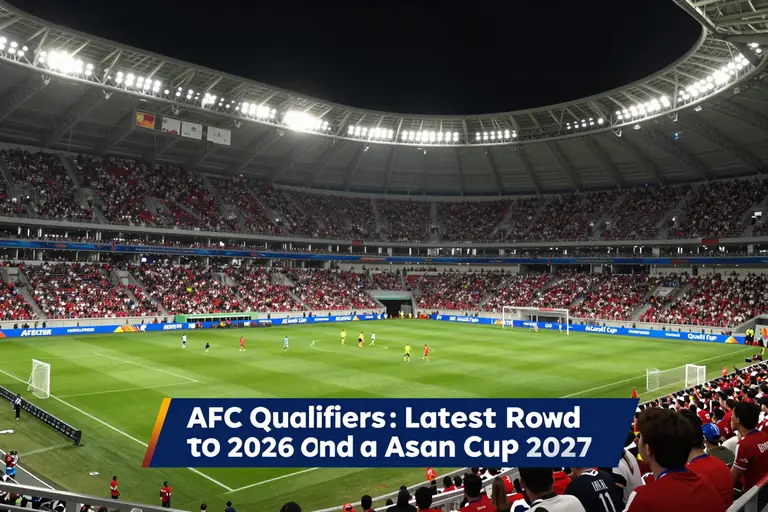

When we talk about Qatar and the FIFA World Cup, it’s a unique story. Unlike most nations, Qatar didn’t have to battle through grueling qualification rounds for the 2022 tournament. Their path was set the moment they won the bid to host the event. This instantly secured their spot, marking their first-ever appearance in the FIFA World Cup finals. For a country with limited prior World Cup experience, this was a monumental leap, bringing them directly into the spotlight of global football.
This automatic qualification meant their “road to the World Cup” was less about competitive matches and more about preparation – building world-class stadiums, developing infrastructure, and nurturing a national team capable of competing at the highest level. It was a journey of transformation, both for their football team and the nation as a whole.
The National Team’s Preparation and Performance
With their spot secured as hosts, the Qatar national team, nicknamed Al Annabi (The Maroons), embarked on an intensive preparation program. They participated in various international tournaments and friendlies to gain experience and gel as a unit. This included appearances in the Copa América, the CONCACAF Gold Cup, and the AFC Asian Cup, where they famously won the title in 2019. These experiences were crucial for their development, exposing them to different playing styles and high-pressure situations.
Their performance in the 2019 AFC Asian Cup was a significant highlight, showcasing their potential and providing a massive confidence boost. They played an attacking brand of football, demonstrating tactical discipline and individual brilliance. This victory solidified their status as a rising force in Asian football and raised expectations for their World Cup debut.
However, the step up to the FIFA World Cup proved to be a challenging one. Despite their extensive preparation and home advantage, Qatar faced tough opposition in their group. Their opening match against Ecuador, followed by encounters with Senegal and the Netherlands, highlighted the immense quality and experience required at this level. While they played with spirit, the results didn’t go their way, and they exited the tournament in the group stage. This experience, though difficult, provided invaluable lessons for the future development of Qatari football.
Historical Context: Before the Bid
Before securing the hosting rights, Qatar’s attempts to qualify for the FIFA World Cup were part of the standard AFC qualification process. Their journey typically involved navigating through several rounds against other Asian nations. While they had some memorable campaigns and produced talented players, they never managed to cross the final hurdle to reach the World Cup finals.
Their history in Asian football saw them frequently participate in the AFC Asian Cup, often reaching the knockout stages. These tournaments were their primary proving ground, where they built their reputation and gained international experience. The dream of playing in a World Cup was always there, but the competitive landscape of Asian qualifiers is incredibly tough, with powerhouses like Japan, South Korea, and Saudi Arabia often dominating. The 2022 hosting bid changed everything, propelling them from perennial qualifiers to automatic participants.
The Legacy of Hosting
Beyond the national team’s performance, Qatar’s road to the World Cup also involved an unprecedented infrastructure development project. Eight state-of-the-art stadiums were built or extensively renovated, each showcasing unique architectural designs and sustainable technologies. Cities were transformed, and transport networks were upgraded to accommodate millions of fans.
This massive undertaking aimed to leave a lasting legacy, not just for Qatar but for the entire region. The stadiums are designed with modular components, allowing some to be reconfigured or even dismantled after the tournament, with parts donated to other developing football nations. The focus on sustainability and innovation was a key part of their bid and execution.
The tournament also aimed to foster cultural exchange and showcase Arab hospitality to the world. While the focus was on the football, the cultural aspect was a significant part of the experience for visitors. The World Cup was a platform for Qatar to present itself on a global stage, highlighting its progress and aspirations.
What’s Next for Qatari Football?
Following their World Cup debut, the focus for Qatari football will likely shift back to regional competitions and continued player development. The experience gained by the national team, playing against some of the world’s best, will be crucial. Many of their players are still relatively young, and the exposure to top-tier international football can only accelerate their growth.
We anticipate continued investment in youth academies and coaching development to ensure a sustainable pipeline of talent. Their success in the 2019 AFC Asian Cup shows their capability, and the challenge now is to consistently perform at that level and eventually translate it into World Cup qualification through the traditional route. Nations like Australia, who are regulars in the World Cup qualifiers, offer a good benchmark for consistent performance. For instance, the Australia Team News often details their rigorous qualification campaigns and the depth of their squad, which Qatar will aspire to emulate. The experience of hosting will undoubtedly inspire a new generation of footballers in Qatar, ensuring the sport continues to thrive.
FAQ
What was Qatar’s qualification path for the 2022 FIFA World Cup?
Qatar automatically qualified for the 2022 FIFA World Cup as the host nation, marking their first appearance in the tournament.
How did Qatar prepare for their World Cup debut?
The national team prepared by participating in various international tournaments like the Copa América, CONCACAF Gold Cup, and winning the 2019 AFC Asian Cup, alongside numerous friendlies.
What was Qatar’s performance in the 2022 FIFA World Cup?
Qatar was eliminated in the group stage of the 2022 FIFA World Cup, losing all three of their matches against Ecuador, Senegal, and the Netherlands.
What is the legacy of Qatar hosting the World Cup?
The legacy includes the construction of state-of-the-art, sustainable stadiums, significant infrastructure development, and a platform for cultural exchange, aimed at benefiting the region and inspiring future generations of footballers.