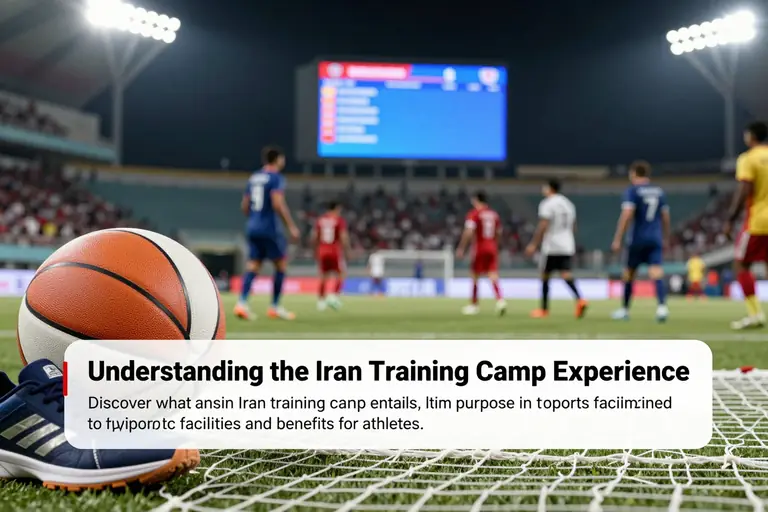
An Iran training camp, particularly in the context of sports, refers to a dedicated period and location where athletes, often football (soccer) players, gather for intensive physical, tactical, and mental preparation. These camps are meticulously designed to hone skills, build team cohesion, and optimize individual and collective performance ahead of crucial competitions or during off-seasons. This comprehensive guide will delve into the typical setup, expected activities, and the myriad benefits participants can anticipate from such an experience.
Purpose and Strategic Importance of Training Camps
The primary purpose of an Iran training camp is multifaceted and strategically vital for athletic development. For national teams, these camps are indispensable for preparing for high-stakes international tournaments such as the FIFA World Cup qualifiers, the AFC Asian Cup, or Olympic Games. They offer a concentrated period to fine-tune strategies, integrate new talent, and foster a unified team spirit under pressure.
For professional club teams, training camps serve various critical functions. They are essential for pre-season preparation, allowing players to regain peak physical condition, assimilate new tactical systems, and build chemistry with new signings. Mid-season tune-ups might be organized to address specific weaknesses, recover from a demanding schedule, or prepare for a crucial string of matches. Furthermore, specialized camps often focus on youth development, nurturing emerging talent through structured training programs that emphasize fundamental skills, tactical understanding, and sportsmanship. These camps provide a controlled environment, largely free from the daily distractions of club life or home, enabling coaches and players to fully concentrate on their objectives. It’s an invaluable opportunity to implement innovative strategies, integrate new players seamlessly into the squad, and collectively push physical and mental limits to achieve peak performance.
Typical Facilities and Ideal Locations
When considering an Iran training camp, the quality and comprehensiveness of the facilities are paramount. Modern training centers across Iran often boast state-of-the-art amenities designed to support all aspects of athletic development. These typically include multiple full-sized football pitches, offering both natural grass for game simulation and artificial turf for year-round training and specific drills, accommodating various training scenarios regardless of weather conditions.
Beyond the playing fields, participants can expect well-equipped gymnasiums featuring advanced strength and conditioning equipment, crucial for physical development and injury prevention. Comprehensive medical and rehabilitation centers, staffed by sports doctors, physiotherapists, and masseurs, are vital for managing injuries, accelerating recovery, and implementing preventative measures. Comfortable and conducive accommodation facilities are also a standard feature, providing a restful environment essential for recovery and mental focus. Many camps also feature dedicated meeting rooms for tactical briefings, video analysis suites equipped with cutting-edge software for detailed performance review, and sometimes even swimming pools or hydrotherapy facilities for active recovery and cross-training. The availability of nutritionists and sports psychologists further enhances the holistic support system.
Locations for these camps vary significantly. Some are strategically located in major cities like Tehran, benefiting from urban infrastructure, accessibility, and diverse amenities. Others might be situated in more secluded, high-altitude areas, particularly known for their beneficial climate which can aid in aerobic conditioning and stamina development, offering a tranquil environment conducive to intense focus. The choice of location often hinges on the specific goals of the camp, the time of year, and the desired environmental conditions for training.
Benefits for Individual Athletes and Teams
Participating in an Iran training camp offers a wealth of significant benefits for both individual athletes and the teams they represent. For individual athletes, it’s an unparalleled opportunity for intensive skill development under the direct guidance of professional coaches and specialists. They can significantly improve their physical conditioning, refine technical skills, and gain a deeper, more nuanced understanding of team tactics and strategic play. The constant interaction with coaches, support staff, and teammates fosters a strong sense of camaraderie, mutual respect, and collective responsibility, which is absolutely vital for success in team sports.
For teams, these camps are instrumental in forging a cohesive and unified unit. They provide coaches with an extended period to experiment with different lineups, formations, and tactical approaches, assessing player fitness, adaptability, and mental fortitude under various scenarios. This uninterrupted time together allows for the effective instillation of a unified playing philosophy, ensuring that every player understands their role and the team’s objectives. Beyond the pitch, the shared experiences and challenges help to forge stronger bonds off the field, cultivating trust and understanding that often translates directly to improved communication and performance during competitive matches. It is a concentrated period of focused growth, where individual weaknesses can be systematically addressed, and collective strengths can be identified, amplified, and integrated into a potent force.
A Typical Day at an Iran Training Camp
A typical day at an Iran training camp is meticulously structured and inherently demanding, designed to maximize development while ensuring adequate recovery. It usually begins early with a nutritious breakfast, carefully curated by a nutritionist to provide the necessary energy for the day’s activities. This is followed by an intensive morning training session, which might focus on rigorous physical conditioning, advanced technical drills to refine specific skills, or intricate tactical work involving team shape and movement.
After lunch and a mandatory rest or recovery period, there is often an afternoon session. This could involve small-sided games to enhance decision-making under pressure, set-piece practice to perfect offensive and defensive strategies, or further tactical analysis sessions using video playback. Evenings are typically reserved for team meetings, detailed video analysis of past performances or upcoming opponents, or individual consultations with coaches, medical staff, or sports psychologists. The intensity of the training is consistently high, but there is an equally strong emphasis on recovery, injury prevention, and mental well-being. Nutrition is meticulously managed to support performance and recovery, and sports psychologists are often involved to help players develop mental resilience, focus, and cope with the pressures of elite competition. The overarching goal is to create a holistic environment where players can safely and effectively push their physical and mental limits, ultimately reaching their highest potential.
Choosing the Right Training Camp
For those looking to join an Iran training camp, whether as an aspiring individual athlete or a professional team, several critical factors should be meticulously considered. Firstly, clearly define your objectives: Are you primarily seeking intensive skill development, enhanced team building, specialized tactical preparation, or pre-competition conditioning? Research the reputation of the camp organizers, the qualifications and experience of the coaching staff, and the success stories of previous participants. Scrutinize the quality and comprehensiveness of the facilities, ensuring they meet your specific needs, and evaluate the suitability of the location for your training goals, considering factors like climate, altitude, and accessibility. Reviews and testimonials from previous participants can offer invaluable insights into the camp’s effectiveness and overall experience. Additionally, be aware that some camps might specialize in certain age groups, skill levels, or even specific positions, so ensure the chosen camp aligns perfectly with your profile and aspirations.
Frequently Asked Questions (FAQ)
What kind of sports are typically involved in an Iran training camp?
While football (soccer) is undoubtedly the most prominent sport for training camps in Iran, reflecting its immense popularity, other major sports like wrestling (a national sport with a rich heritage), volleyball, and basketball also extensively utilize similar intensive training programs and dedicated camps for their national teams and professional clubs.
How long does an Iran training camp usually last?
The duration of a training camp can vary significantly depending on its specific purpose and the level of intensity. It can range from a few days for a short, focused tactical preparation camp to several weeks for a comprehensive pre-season program, an extensive youth development camp, or a national team’s final preparations for a major tournament.
Are Iran training camps open to international participants?
Yes, some specialized sports academies, private training organizations, and even certain professional clubs in Iran do offer training camps that are open to international participants. These opportunities often focus on youth development, specific skill enhancement, or cultural exchange through sport, attracting aspiring athletes from various countries seeking high-quality training and exposure to a different footballing culture.