
Understanding The Road to FIFA World Cup Asia
For football fans across the continent, the anticipation surrounding the FIFA World Cup is immense, but the journey to get there is a spectacle in itself. It’s a multi-stage qualification process that pits nations against each other in a grueling series of matches, all vying for a coveted spot in the world’s most prestigious football tournament. From emerging footballing nations to established powerhouses, every team dreams of making it to the global stage, and the qualification rounds are where those dreams are either realized or shattered.
The Asian Football Confederation (AFC) is responsible for organizing these qualifiers, and over the years, the format has evolved to accommodate the growing number of participating nations and to ensure fair competition. The sheer diversity of footballing talent and infrastructure across Asia makes this journey particularly fascinating. You have countries with rich footballing histories and professional leagues, alongside nations where the sport is still developing, yet all share the same burning desire to compete at the highest level.
This qualification journey isn’t just about winning games; it’s about national pride, developing local talent, and showcasing the best of Asian football to the world. Each match holds significant weight, and the pressure on players, coaches, and federations is immense. It’s a true test of endurance, skill, and strategic planning.
The Qualification Format: A Multi-Stage Gauntlet
The structure of the qualification process typically involves several rounds, each designed to narrow down the field until only the strongest teams remain. While the exact format can shift slightly between World Cup cycles, the general progression remains consistent. It usually begins with preliminary rounds involving the lowest-ranked teams, often playing home-and-away ties. These early stages are crucial for smaller nations to gain experience and potentially cause an upset, adding to the drama of the qualifiers.
As teams advance, they enter group stages, where the competition intensifies significantly. These groups are often meticulously drawn to balance strength, leading to some truly captivating matchups. The top teams from these groups then move on to further rounds, which might include another group stage or direct knockout matches. The stakes are incredibly high in these later stages, as every point and every goal can be the difference between qualification and elimination. The path is never easy.
Ultimately, a select number of teams secure direct qualification spots, while others might get a second chance through inter-confederation play-offs. These play-offs add another layer of excitement, as Asian teams face opponents from other confederations in a final bid for a World Cup berth. This intricate process ensures that only the most resilient and skilled teams ultimately represent Asia on the global stage, making the successful navigators truly deserving.
Key Contenders and Emerging Forces
Historically, certain nations have consistently dominated the Asian qualifiers. Countries like Japan, South Korea, Iran, and Saudi Arabia have established themselves as regional powerhouses, regularly qualifying for the World Cup. Their strong domestic leagues, robust youth development programs, and experienced international players give them a significant edge. However, the landscape of Asian football is always evolving, and new contenders are constantly emerging, making the qualification path unpredictable.
In recent cycles, teams like Australia (who joined the AFC in 2006) and Qatar have also made their mark, demonstrating their capability to compete at the highest level. Other nations, such as Uzbekistan, UAE, and China, often come close, showing flashes of brilliance and proving they can challenge the traditional giants. The increasing investment in football across various Asian nations means that the competition is getting tougher with each qualification campaign. This rising tide lifts all boats, making the journey more competitive and exciting than ever before.
The rise of these emerging forces adds a layer of intrigue to every qualification cycle. Upsets are not uncommon, and the smaller teams often play with an unyielding spirit, hoping to create history. This dynamic ensures that fans are always on the edge of their seats, watching to see which nation will defy expectations and carve their name into the annals of World Cup history.
Challenges and Opportunities in Asian Football
Asia’s qualification journey is fraught with challenges. One of the biggest hurdles is the vast geographical expanse of the continent, leading to extensive travel for teams. Climate variations, from scorching deserts to humid tropics, also present unique difficulties, requiring teams to adapt quickly to different playing conditions. Furthermore, the varying levels of football infrastructure, including training facilities and stadium quality, can impact preparation and performance.
Another significant challenge is the intense pressure from national expectations. For many countries, football is more than just a game; it’s a source of national pride and identity. The weight of these expectations can be immense for players and coaching staff. Managing this pressure, along with maintaining squad fitness through a demanding schedule of domestic and international matches, is crucial for success.
However, these challenges also present opportunities. The qualification process serves as a catalyst for football development within participating nations. It encourages investment in youth academies, coaching education, and domestic leagues. The exposure gained from competing in high-stakes international matches helps players develop their skills and gain invaluable experience. For many, the qualification process is a vital part of their national footballing growth.
Moreover, the campaign offers a unique platform for cultural exchange and fostering regional camaraderie, despite the fierce competition. Teams travel to different countries, interact with diverse fan bases, and experience various footballing philosophies. This global interaction enriches the sport and builds bridges between nations. The shared passion for football unites people across borders, making the journey a celebration of unity and competition.
Memorable Moments and Iconic Matches
Over the decades, the Asian qualifiers have produced countless memorable moments and iconic matches that are etched into the memories of fans. These are the games where heroes are made, dreams are realized, and the sheer drama of football is on full display. Think of last-minute winners, dramatic comebacks, and penalty shootouts that have decided the fate of nations. Such moments underscore the emotional intensity of the qualification process.
One cannot forget the historic qualifications of teams that defied the odds, or the heart-wrenching near misses that left entire nations heartbroken. These stories, whether triumphant or tragic, contribute to the rich tapestry of Asian football history. They are a testament to the passion and dedication of everyone involved in the sport, from the players on the field to the loyal supporters in the stands. Every cycle adds new chapters to this ongoing narrative.
These matches often become defining moments for a generation of players and fans. They inspire future generations to pursue their footballing dreams, showing them that with hard work and determination, anything is possible. The legacy of these qualification campaigns extends far beyond the final whistle, influencing the trajectory of football development in various countries for years to come. It truly is a journey of legacies.
The Impact of Technology and Analytics
In modern football, technology and analytics play an increasingly vital role in preparing teams for the rigors of the qualification process. Data analysis helps coaches understand opponent strategies, identify player strengths and weaknesses, and optimize training regimes. GPS tracking devices, video analysis software, and sports science expertise are now standard tools for professional teams aiming to gain an edge.
This technological advancement allows teams to be more strategic in their approach to each match, helping them to conserve energy, prevent injuries, and exploit tactical opportunities. It’s not just about raw talent anymore; it’s also about smart preparation and informed decision-making. The teams that effectively leverage these tools often find themselves better positioned to succeed in the demanding qualification process. A holistic approach is demanded.
Furthermore, technology has transformed how fans experience the qualifiers. Live streaming, social media updates, and in-depth statistical breakdowns provide unprecedented access to the action, connecting fans with their teams like never before. This increased engagement further amplifies the excitement and significance of every match, making the journey even more compelling for millions across the continent.
Looking Ahead: The Future of Asia’s World Cup Path
As the FIFA World Cup expands to include more teams in future editions, the Asian qualification process is also likely to undergo further adjustments. This expansion could mean more qualification spots for Asian nations, which would be a huge boost for football development in the region. It would provide even more opportunities for emerging teams to compete on the global stage, further elevating the standard of Asian football.
The continuous growth of football in Asia, coupled with increased investment and improved infrastructure, suggests a bright future for the continent’s representation at the World Cup. The passion for the beautiful game runs deep in Asia, and the desire to succeed is undeniable. As we look ahead, Asia’s qualification journey promises to remain a compelling narrative of ambition, struggle, and ultimate triumph.
The journey is long, the competition is fierce, but the rewards are immeasurable. For every nation that embarks on this path, the hope of reaching the pinnacle of international football fuels their every effort. It’s a testament to the enduring power of sport to unite, inspire, and captivate audiences worldwide. The next cycle will undoubtedly bring new heroes, new stories, and new dreams to fruition.
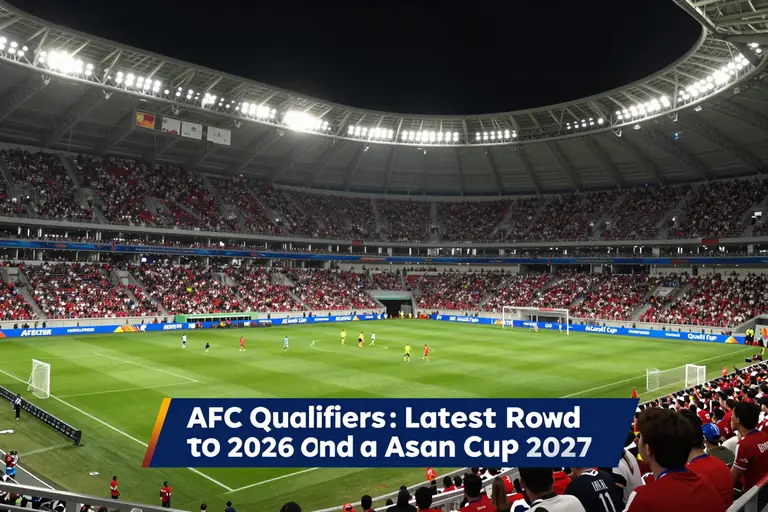
The unwavering support from fans across the continent is a critical component of this journey. Packed stadiums, vibrant chants, and a sea of national colors create an electric atmosphere that drives players to perform at their best. This collective passion is what truly defines The Road to FIFA World Cup Asia, making it one of the most exciting qualification campaigns in international football. The dream of World Cup glory continues to burn brightly for countless Asian nations.
FAQ
Q1: How many teams from Asia typically qualify for the FIFA World Cup?
A1: The number of direct qualification spots for Asian teams has varied over time but typically ranges from 4 to 5. There’s also usually an opportunity for one team to enter an inter-confederation play-off for an additional spot.
Q2: What is the primary governing body for football in Asia?
A2: The Asian Football Confederation (AFC) is the primary governing body for football in Asia. They organize the qualification tournaments for the FIFA World Cup and other competitions like the AFC Asian Cup.
Q3: Which Asian nations have participated in the most FIFA World Cups?
A3: South Korea and Japan are among the Asian nations with the most appearances in the FIFA World Cup, consistently qualifying and representing the continent on the global stage.